










Understanding the Core Question for Online Stores
Every e-commerce company comes to the same crossroads: Should you sink more money into paid advertising or invest in an SEO strategy? Both claim to drive traffic, sales, and growth, but they operate in completely contrasting ways. The tough decision isn’t to determine who the winner is, but rather which direction makes sense for your business needs, budget, and timeline for growth.
Visibility is money for e-commerce stores. Without your products appearing when and where customers are looking for them, the greatest website in the world will fail. That’s why the debate of ads vs. SEO is so important to e-commerce.
What Are Ads in E-commerce Marketing?
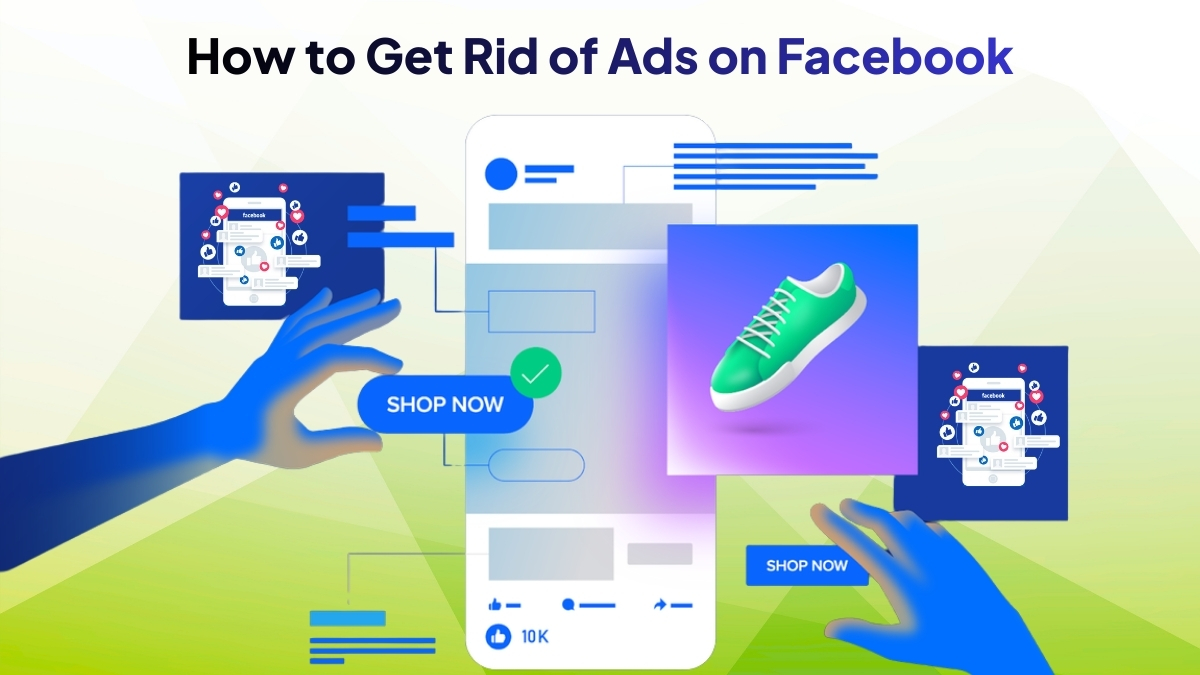
Ads are paid promotional campaigns, where you pay a website or app to share your products or brand with their specific audience. These ads are typically found on conductive search engines, social media apps, and marketplaces. The primary benefit of ads is, of course, speed. Within minutes of getting a new campaign published, your store can be receiving traffic.
For new e-commerce businesses, ads can be the platform from which to blast off. You don’t have to wait months for organic rankings to advertise a new collection, deal, and your seasonal offering products. You can also control targeting, messaging, and budget all the way down to the ad level, which makes them attractive for fast scaling.
The Strengths of Ads for Online Stores
Ads’ great advantage is predictability. You put in money to get exposure. If your targeting and creatives are good, you can make a decent number of sales off of just some ads. They are particularly handy for sales periods, product releases, or time-limited offers.
Ads also provide valuable data. You can instantly determine which products are converting, what audiences are responding, and which messaging works. This information may also help you later down the line in your SEO and content strategies. For e-commerce brands looking for explosive growth, ads frequently seem like the most straightforward route to revenue.
The Limitations of Paid Advertising
Ads do have clear limitations, despite their advantages. The biggest one is cost. With more competition come higher ad costs, and profit margins can grow thin. As soon as you stop paying, traffic practically stops. That kind of thing makes advertisement less sustainable to serve as a completely stand-alone strategy in the long term.
Another challenge is ad fatigue. The same ads can cause fatigue pretty quickly; audiences may not respond over the long haul (meaning you need to be constantly refreshing creatives and strategies). This becomes stressful for the small- and medium-sized e-commerce business to continue incurring this cost.
What is SEO for e-commerce?
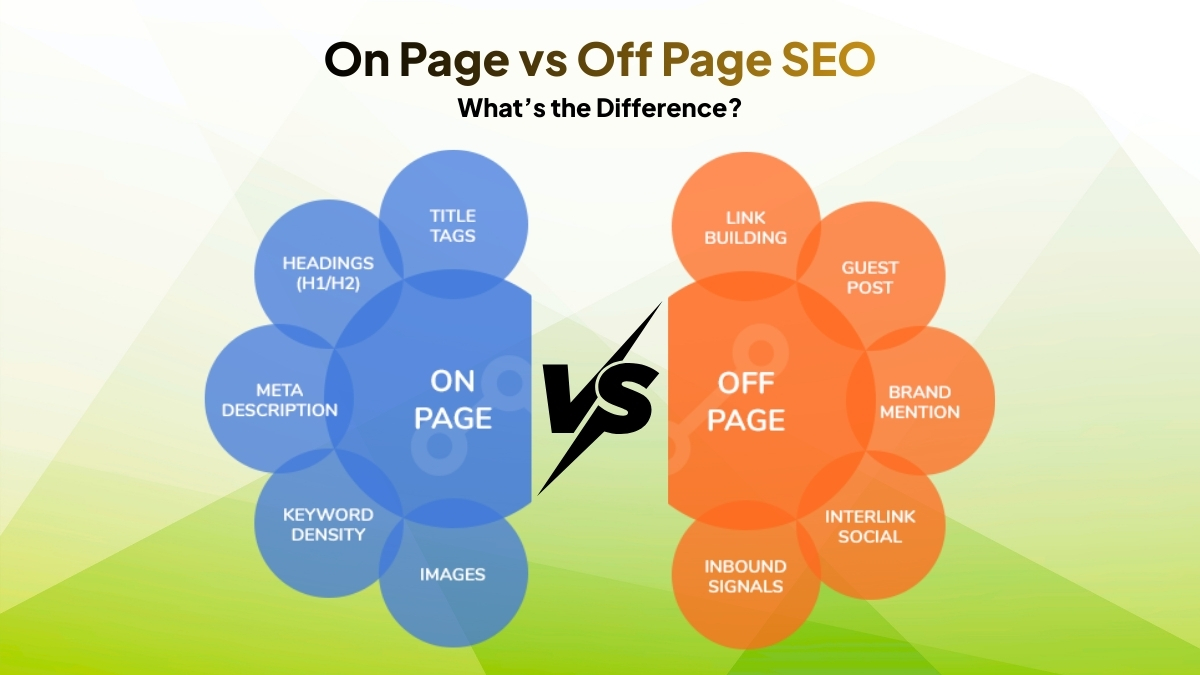
SEO, or search engine optimization, is the process of making adjustments to your site so that it appears in the search results organically. Rather than needing to pay for each and every click you receive, traffic is instead earned through the creation of valuable content, product pages that are optimized, and a site with solid structure.
For e-commerce, SEO is about much more than keywords. This would include product descriptions, category pages, user experience, site speed, and even trust signals. Well done; SEO helps your store get in front of shoppers that are looking for the products you sell.
The Long-Term Power of SEO
The major benefit of SEO is that it can be a sustainable platform upon which to build your business. Once your ranked pages do start to perform, they can help you sell for months or even years without the need to spend money on ads. This makes SEO an incredibly valuable long-term asset for any e-commerce brand.
SEO also builds trust. Organic search results are naturally more trusted by users than ads. When you rank on the top organically, it establishes your store as a credible brand. This trust will eventually result in more conversions and returning customers.
The Challenges of SEO in E-commerce
SEO is not a quick win. And it takes patience and discipline, as well as planning. Results often don’t show up for several months, especially in competitive niches. But for new online stores, this waiting period can be frustrating.
SEO also requires ongoing effort. Search trends shift, competitors get around to optimizing their sites, and algorithms mature. Rankings can fall without maintenance and continued optimization. But unlike ads, SEO work builds and compounds over time instead of resetting when you stop spending.
Ads vs SEO: A Direct Comparison
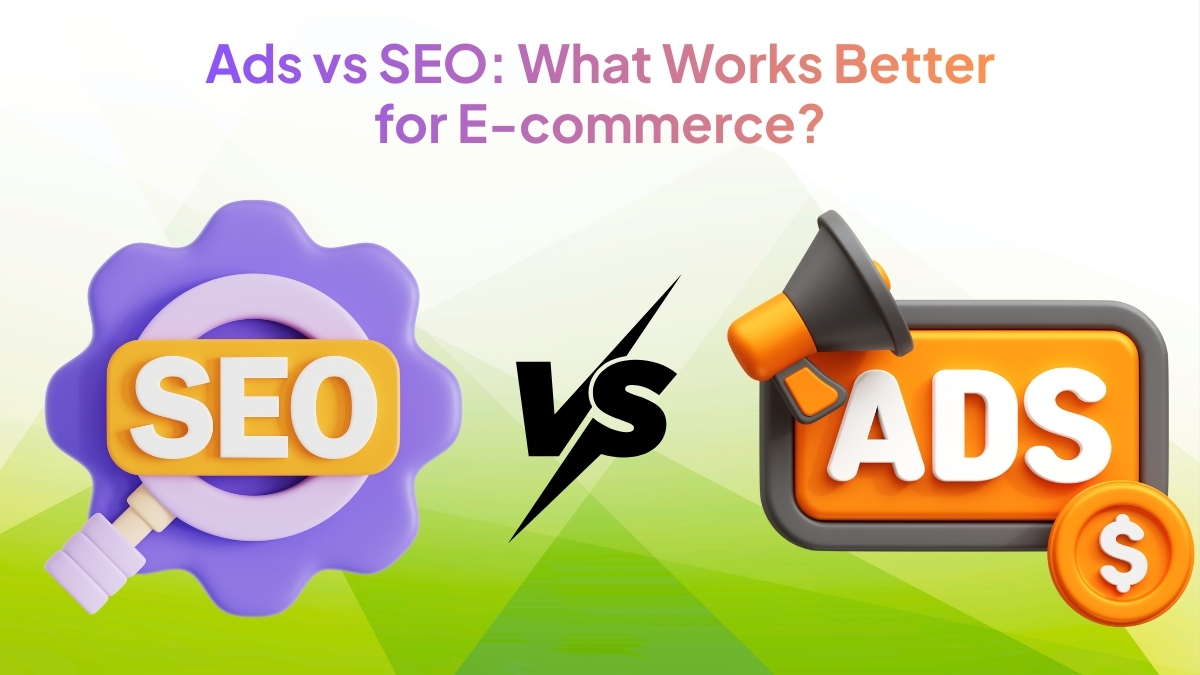
The contrast between ads vs. SEO boils down to fast versus slow. Ads are immediate traffic but require an ongoing investment. SEO is slow coming in, but over the years it can deliver awesome results at a lower cost per acquisition.
Ads are great for short-term objectives like promotions and launches. SEO is best for the long term, building a brand and gradually increasing sales. In the online business world, where competition is fierce, focusing only on one strategy can really hold you back.
Which Strategy Works Better for New E-commerce Businesses?
For a new e-commerce store, ads can sometimes be more effective in the beginning. They also help to drive early traffic, to test product demand, and to raise brand awareness. SEO can also be kicked off simultaneously, but if you’re looking for it to immediately pay dividends, you might be setting yourself up for a disappointment.
(Hint: If you’re a beginner dropshipping, then this is the smartest route because you can leverage ads to generate sales while slowly developing your SEO foundation. This guarantees cash flow in the immediate and raises a foundation for future growth.
Which Strategy Is Better for Established Online Stores?
SEO vs Ecommerce SEO For most known e-commerce brands, SEO typically returns greater long-term value. With the right content and authority, SEO can produce traffic that scales without corresponding costs. Ads are still part of the game, but they are more strategic than existential.
Bricks-and-clicks stores commonly leverage ads to accelerate their SEO success. For instance, they might advertise their top-selling and already high-performing products to gain maximum visibility and revenue overall.
The Best Approach: Ads and SEO Together
The truth about ads vs. SEO: not picking one over the other. The best-performing e-commerce brands do both. Speed, testing, and short-term wins are what you get with ads. The actual truth is, SEO drives trust, stability, and scalable long-term growth.
You cut the risk in half by using both strategies. In case costs of ads increase, SEO traffic will still be there. Even if rankings hover and fluctuate, ads ensure that sales continue. This combination paves the way for a more robust and resilient e-commerce.
Conclusion
The winner of ads vs. SEO is therefore not clear-cut. Which is the better approach depends on your objectives, budget, and where you are in your growth cycle. Ads are the best method if you need quick results. SEO is designed to work best if you want long-term visibility and brand presence.
To succeed in e-commerce, look beyond the quick win. Pay for SEO for the future, yet harness ads to grow now. When both tactics work in unison, your online store has the visibility, trust, and sales it requires to live within a punishing digital ecosystem.